Team Name: PineApple
Team Members:
Jose Ramirez, Michael Ingrum, Alec Resha, Justin Henley, Chloe Hendrix, Lan Nguyen, Dang (Reagan) Hoang
Client: Dr. Harsh Verma, CEO & CTO of Glocol Networks
Adviser: Prof. Zhang
Background
Product Owner: Dr. Harsh Verma, Glocol Networks.
Product Owner’s “Business”: Glocol Networks is an Internet Of Things research company with a focus on Smart Cities. They focus on researching and testing new connected products, working from a concept to a commercialized product. Focusing on smart cities and roads, they primarily work with CalTrans, USDOT, Cisco, Intel, and others.
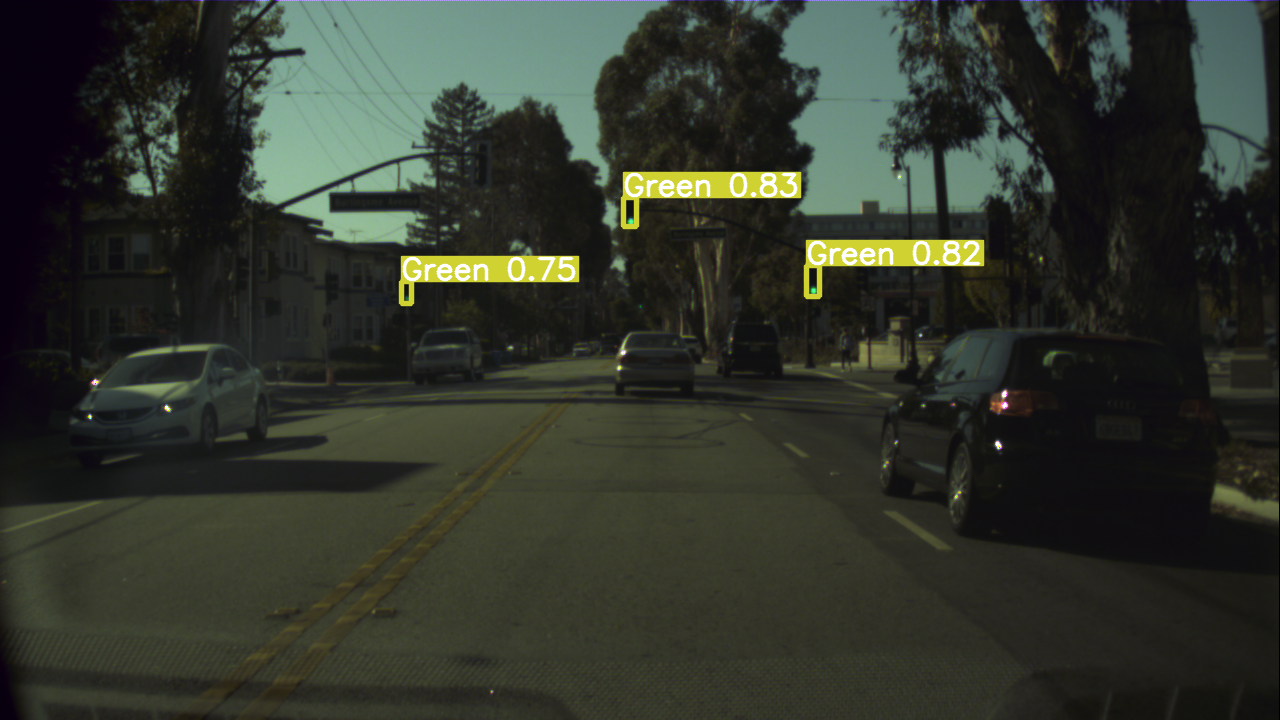
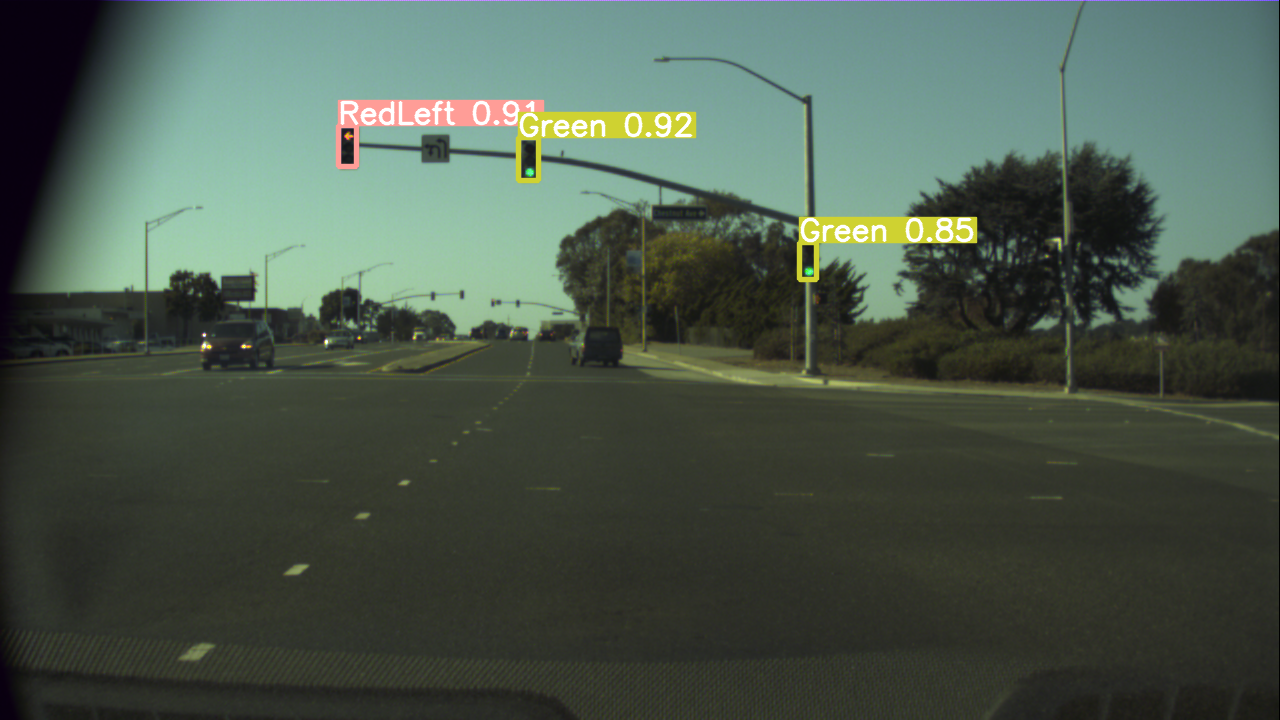
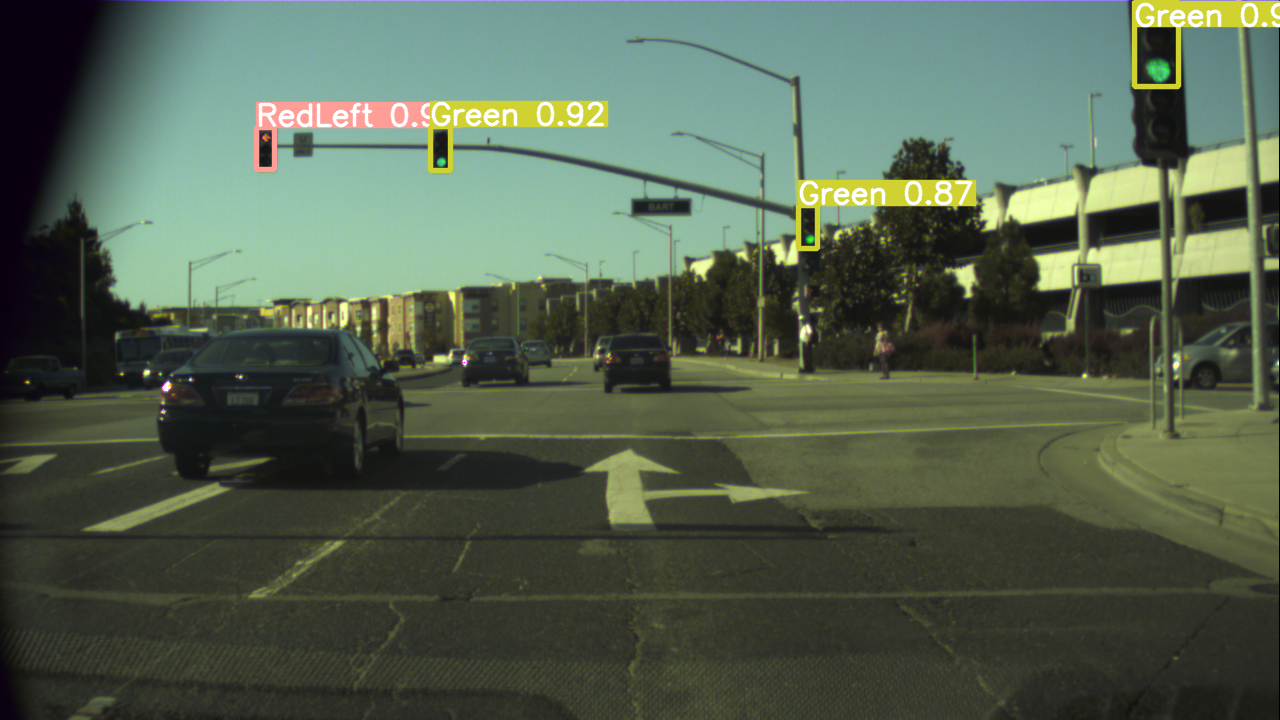
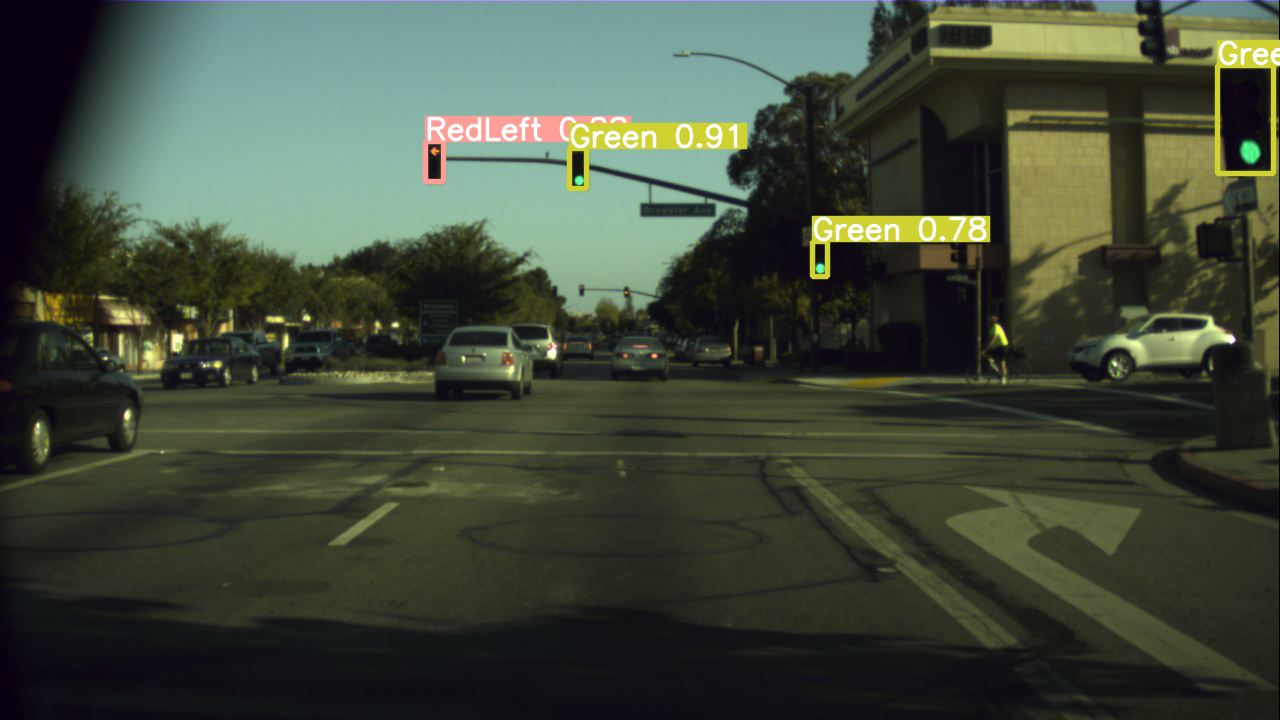
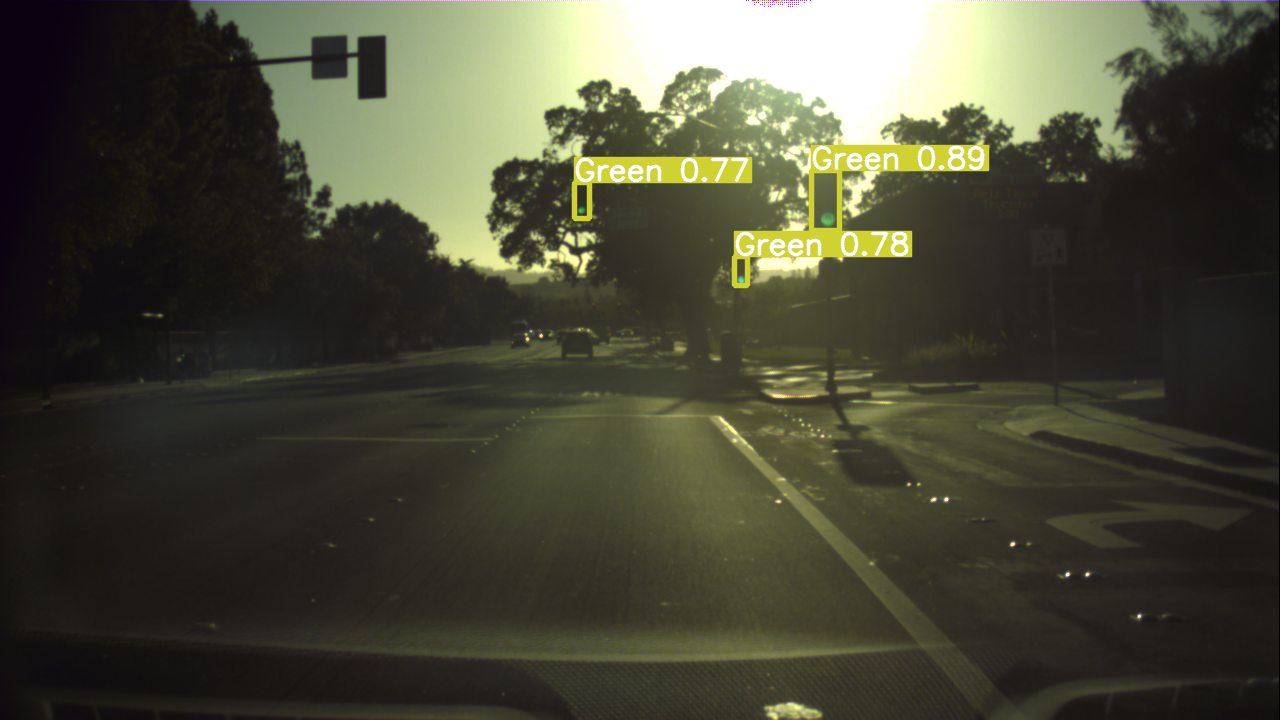
Problem to be solved: Currently, there are no solutions in which a camera can capture traffic signal changes through video feed without utilizing the traffic controller. Creating software that can achieve this goal and make the data available on a mobile app to be used as a standalone internal interface.
Scope
The goal of our project is to develop a solution for a visual approach that will capture signal change information at traffic intersections without interferring with the traffic controller.
In addition to capturing this data, it will also be demonstrated on a webapp in real time.
Proposed Solution
Create a software that camera can capture traffic signal changes through video feed without utilizing the traffic controller.
Make the data available on a mobile app to be used as a standalone internal interface.
There soon will be able to stand alone software has the ability to jumpstart infrastructure thanks to 350000 signalized traffic intersection in the US.
Highlights
This project addresses a large hurdle when it comes to the development of smart city upgrades.
Real time data of traffic lights is a crucial part of being able to make optimizations to reduce traffic wait time and congestion in cities.
There are over 330,000 traffic intersections in the US alone, and a vast majority of them are not able to transmit their current status at all.
Our project aims to be a solution to this problem by being an infrastructure-independent way to capture and transmit traffic signal changes in real time rather than going through the far more expensive and time consuming process of replacing an intersection entirely.
This project also is unique because there are no public working devices or models that can capture, encode, and transmit traffic signal data in real time aside from ones that are built directly into the traffic intersections.
Even if our project does not become the final product, it will act as a proof of concept that it is possible to upgrade existing infrastructure to capture and transmit traffic signal changes in real time rather than replacing it.
Implementation
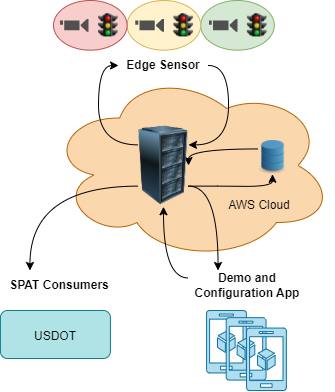
Our team will use a centralized server approach with four main components.
- Our application will use low-cost edge devices to capture traffic signal information noninvasively.
- Each device will use Intel® Movidius™ architecture to run AI inferencing on the traffic lights.
- Amazon Web Services will maintain our server and Database.
- Data is always encrypted before it is transmitted using AWS Encryption SDK
- Data is transmitted to a NodeJS API interface for storage in a MySQL database.
- Our API will provide SPAT data streams to consumers.
- We will use Flutter to create a mobile web app to configure the edge devices and demo the system's data.
Development Timeline
-
Sprint 01: October 4 - October 18
Our team discussed with our client the goals and outcomes of the project. Then, we completed the context diagram and business event table, and presented these documents to our client for approval.
-
Sprint 02: October 18 - November 1
Our team used software to create mock prototype(s) (Phase 1) to model key components of the UI.
-
Sprint 03: November 1 - November 15
Our team researched and created “starter” projects demonstrating the tech stack (Phase 2). We also documented our tech stack.
-
Sprint 04: November 15 - December 6
Our team planned out the backlog for the next semester by creating a product backlog on Jira. The team also made progress on the project by beginning work on the backend side of the project.
-
Sprint 05: TBA
Since our team currently has a Machine Learning model already in development, the data needs to be encoded in the required standards. Setup edge devices. Intialize the database.
-
Sprint 06: TBA
Train the Machine Learning model to scan videos instead of images. Setup data encryption and decryption. Begin unit testing.
-
Sprint 07: TBA
Connect the edge devices, database, and webapp together. Begin to make the webapp dynamic by requesting data from the database and popluating the necessary information onto the frontend of the webapp.
-
Sprint 08: TBA
Create optimizations where possible since the client would prefer if the entire system is able to be updated every 100ms.
-
Sprint 09: TBA
Fix any lingering bugs, and finish any last minute touch ups.